Used Car Inspection Checklist: How to Inspect a Used Car and Buy a Car with Confidence
Posted Monday, Jan 12, 2026
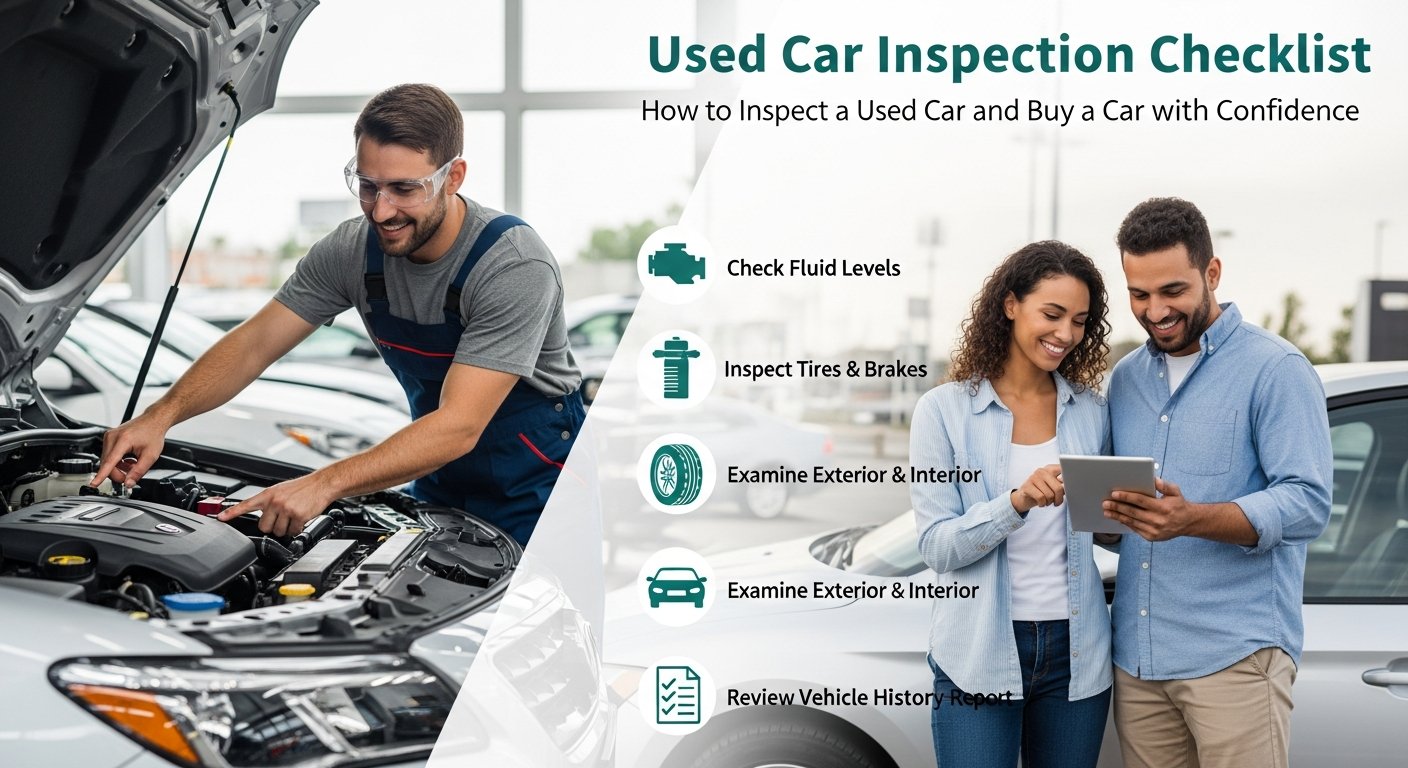
Buying a used car in Woodbridge, VA is a smart way to get value, but it requires a thorough used car inspection to avoid costly surprises. This complete buyer checklist helps you inspect a used vehicle, evaluate a vehicle history report like Carfax or AutoCheck, and make an informed car buying decision. Use this guide to shop for a used car, understand red flags, and feel confident when you purchase a vehicle.
What should a complete used car inspection checklist include before you buy a used car?
A comprehensive used car inspection checklist covers exterior, interior, engine bay, undercarriage, tires, fluids, test drive notes, and documentation such as the vehicle identification number (VIN), vehicle title, and service records. Start with a visual inspection for dents, rust, scratches, and mismatched paint that could indicate repairs. Don’t forget to inspect the tires for tread depth and even wear patterns that could indicate suspension or alignment issues.
Next, verify records: ask for service records, previous owner history, and a vehicle history report (Carfax or AutoCheck). Check the VIN on the car against the title and the vehicle history report to confirm there are no salvage, flood, or rebuilt titles. A pre-purchase inspection at a trusted repair shop is one of the best parts of the checklist to reduce repair costs and give you peace of mind.
How do you inspect the exterior of a used car from a dealership or private seller?
Inspect the exterior of the car carefully for dents, scratches, rust spots, and paint differences that could indicate an accident repair. Look at panel gaps and alignment; uneven gaps could indicate collision repairs. Check doors, hood, and trunk — open and close them to ensure they latch smoothly and align properly.
Look for signs of rust around wheel wells, rocker panels, and undercarriage. Surface rust can often be repaired, but deep corrosion or rust around structural points can indicate costly problems. Inspect the headlights and taillights for fogging and cracks, and check for windshield chips that could spread and require replacement.
What should you inspect in the engine bay and under the hood during a pre-purchase inspection?
When you inspect the engine bay, look for fluid leaks, cracked belts, corroded battery terminals, and the condition of hoses. Check the level and color of transmission fluid and coolant — burnt-smelling or dark transmission fluid and discolored coolant could indicate poor maintenance or repair needs. Look for oil leaks around gaskets and the valve cover which, could indicate engine seals that need repair.
Inspect the engine bay for any signs of recent repainting or replaced components that don't match the rest of the engine bay, which could be a sign of past repairs. Check for the VIN stamped on the engine bay and confirm it matches the vehicle title and Carfax/AutoCheck report to ensure the vehicle identification number doesn't raise red flags.
How do you evaluate the interior and upholstery when shopping for a used car?
Check the upholstery for tears, stains, and unusual wear patterns, especially on the driver’s seat, which could indicate higher real mileage than shown. Test all dashboard controls, infotainment, HVAC, and warning lights. Make sure the air conditioning and heater work properly and check for unusual odors that could indicate mold, flood damage, or smoking.
Inspect the dashboard for cracks and check the odometer against service records and the vehicle history report. Look under the seats and in the trunk for hidden damage, spare tire condition, and tools. A thorough interior check will help reveal whether the car has been maintained and whether repair costs may be necessary.
Should you get a vehicle history report, and how do you read it before buying?
Always request a vehicle history report, such as Carfax or AutoCheck, before you buy a car. The vehicle history report can reveal accident history, salvage or rebuilt titles, odometer discrepancies, the number of previous owners, and whether the car has a clean vehicle title. These details are crucial when doing a pre-purchase inspection and deciding on a fair price.
Read the report carefully for flood damage, a branded title, and service record summaries. If the report shows frequent repairs or a lack of service records, ask the seller for more information or consider having a trusted mechanic perform a pre-purchase inspection to uncover potential issues like transmission problems or major engine repairs.
How should you inspect the tires, tread depth, and wheel alignment on a used vehicle?
Inspect the tires for tread depth, even wear, and sidewall damage. Uneven tread wear could indicate misalignment, worn suspension parts, or steering problems. Use a tread depth gauge or the penny test: insert a penny into the tread with Lincoln’s head down; if you can see all of Lincoln’s head the tread is too low and replacement will be necessary.
Check for mismatched tires or different brands on the same axle, which could suggest piecemeal repairs or poor maintenance. Inspect the wheels and rims for dents or bends and look for signs of a leak or vibration during a test drive that could indicate alignment or wheel bearing issues.
What should you watch for on a test drive to detect transmission, brake, and engine issues?
During a test drive, listen for unusual noises, and pay attention to how the transmission shifts. Slipping, delayed engagement, harsh shifting, or grinding could indicate transmission problems that can be expensive to repair. Accelerate on a variety of road grades to evaluate engine performance and transmission response.
Test the brakes for responsiveness and pulsation. Pulsation in the brake pedal can indicate warped rotors, while spongy brakes may suggest air in the brake lines or fluid issues. Check for dashboard warning lights and feel for vibration, pulling, or unusual handling that could indicate suspension or brake problems.
How do you inspect for leaks, fluid quality, and signs of mechanical issues?
Check under the car for fluid leaks — oil, transmission fluid, coolant, and brake fluid. Look for fresh puddles on the ground after the car has been sitting and inspect fluid colors under the hood. Engine oil should be amber to brown, coolant should be clear or colored correctly, and transmission fluid should be red or pink, not burnt or dark.
Inspect belts and hoses for cracks, fraying, or brittleness. A belt in poor condition could lead to breakdowns, and hose leaks can cause overheating. If you see frequent or fresh fluid leaks, this could indicate a repair need or hidden mechanical issues discovered during your used car inspection checklist.
How important is a professional pre-purchase inspection and how do you arrange one?
A professional pre-purchase inspection by a certified mechanic or a repair shop is one of the most important parts of used car buying. A mechanic can lift the car, inspect the undercarriage, check the transmission fluid properly, diagnose potential leaks, and identify hidden structural damage or previous repair work you might miss. This detailed inspection helps you avoid a costly buying decision.
Arrange the inspection through a trusted local repair shop or ask the dealership to allow a third-party inspection. Many used car dealers, especially reputable used car dealerships, will permit an independent pre-purchase inspection. Make sure the shop provides a written report with recommended repairs and cost estimates to inform your negotiating strategy.
What paperwork and title checks should you complete before purchasing a used car?
Verify the vehicle title status, check the VIN on the vehicle against the title and vehicle history report, and confirm there are no liens on the car. Use the VIN to run a vehicle history report like Carfax or AutoCheck and also check the National Motor Vehicle Title Information System if necessary. Make sure the seller is the registered owner and ask for bill of sale and service records.
Confirm the odometer reading matches the vehicle history report and service records to avoid odometer fraud. If buying from a dealership, review the used car finance terms, warranty options, and any dealer-provided inspection or certification documentation. Keep copies of all paperwork for your records and to ensure a smooth title transfer.
How can you spot red flags and potential issues that could indicate the car has been poorly maintained?
Red flags include inconsistent service records, mismatched paint, unusual engine noises on startup, strong odors that could indicate flood damage, and low-pressure or warning lights on the dashboard. Also watch for an unusually low asking price, which could indicate hidden defects or a branded title such as salvage. Use your checklist to compare the car’s condition to the vehicle history report.
Additional signs include uneven tire wear, missing service stickers, or a battery that looks corroded and old. Ask about the previous owner and why the car is being sold; vague answers or reluctance to allow a pre-purchase inspection should raise caution. When in doubt, get a professional inspection to avoid surprises and unexpected repair costs.
How do you negotiate price and handle repair costs after a used car inspection?
Use the findings from the used car inspection checklist, vehicle history report, and the pre-purchase inspection to negotiate a fair price. Get written estimates for any recommended repairs and use those figures to reasonably lower the offer or request the dealer address the issues before purchase. Be prepared to walk away if the seller won’t negotiate on significant mechanical problems.
If buying from a used car dealership, ask about certified pre-owned programs, warranties, or used car finance options that include certain protections. Factor in potential repair costs when calculating your budget and negotiate based on clear evidence from inspection reports and service records.
How do you finalize the purchase and ensure a smooth transfer of ownership for your used vehicle?
Finalize the purchase by ensuring the title is clean and signed, all liens are released, and you receive a bill of sale. If using used car finance, review the loan terms with the lender carefully and confirm the final amount financed matches your negotiated price. Make sure you receive all keys, owner’s manual, service records, and any maintenance receipts.
After purchase, register the vehicle in your name and get insurance before driving. Keep the pre-purchase inspection report and vehicle history report on file for future reference. Doing these final steps completes your used car buying process and gives you confidence in your purchase.
How can buyers find a reliable used car or trusted used car dealers in Woodbridge, VA?
Look for reputable used car dealerships and read reviews, check ratings, and verify certifications. Ask for recommendations and inspect dealership-maintained service records. A good dealer will allow a pre-purchase inspection and provide transparent vehicle history reports like Carfax or AutoCheck and maintenance histories.
Search for local used cars for sale listings, compare prices, and visit multiple used car dealers to evaluate inventory and customer service. A reliable dealership will help with used car finance options, offer warranties or certified pre-owned programs, and provide a clear vehicle title and helpful documentation to make your car buying decision with confidence.
What final checklist items should you remember to complete before driving away with your used car?
Final checklist items include verifying the title and VIN, confirming the sale price and any agreed repairs, ensuring the spare tire and jack are present, and obtaining all sets of keys. Verify the vehicle has current registration, inspection sticker if needed, and active insurance. Keep copies of the bill of sale, vehicle history report, and any repair estimates.
Schedule any recommended maintenance, such as a complete fluid change, brake inspection, or belt replacements that were identified during the pre-purchase inspection. Doing these last steps helps ensure your used car is safe, reliable, and ready for the road.
Conclusion
How to Inspect a Used Car Before Buying in Woodbridge, VA (Complete Buyer Checklist) gives you a detailed, practical road map for shopping for a used vehicle, from exterior checks and engine bay inspection to test drives, vehicle history reports, and negotiating repairs. Use this used car inspection checklist and pre-purchase inspection guidance to make an informed decision and avoid costly repair surprises.
For buyers in Woodbridge, consider visiting local reputable sellers like Woodbridge Auto Sales, a Used Car Dealership in Woodbridge, VA, when you’re ready to view used cars for sale. Whether you're working with used car dealers, arranging used car finance, or buying from a private seller, following this comprehensive checklist will help you purchase a vehicle with confidence and peace of mind.
Frequently Asked Questions:
1Q. What documents should I check when buying a used car in Woodbridge, VA?
Ans: Verify the title, VIN (match on vehicle), service records, Virginia safety inspection/registration, and a clean CARFAX or vehicle history report.
2Q. How can I spot signs of prior accidents or flood damage quickly?
Ans: Look for mismatched paint, uneven panel gaps, new bolts, water stains or mildew in carpets, and test electronics for corrosion—also run a VIN history check for reported incidents.
3Q. Should I get a professional inspection in Woodbridge and what does it cost?
Ans: Yes. A certified mechanic or pre-purchase inspection typically costs $100–$200 and can reveal mechanical, structural, and safety issues you might miss.
4Q. What basic road-test checks should I perform during the inspection?
Ans: Listen for unusual noises, check steering and alignment, test brakes for responsiveness, verify transmission shifts smoothly, and confirm all lights and gauges work.